🔋 High-Capacity Batteries
Lithium-ion battery modules from 5kWh to 20kWh+, scalable and designed for thousands of charge cycles with minimal degradation.

Capture surplus solar generation, shift loads to off-peak periods and maintain power during grid disruptions with intelligent battery storage and control systems designed for residential applications.
Battery energy storage systems (BESS) store electricity for use when it's most valuable – whether that's during peak tariff periods, when solar isn't generating, or as backup during grid outages. Combined with smart energy management software, these systems optimise your energy flows automatically.
Modern lithium-ion battery systems offer high efficiency, compact footprints, and intelligent controls that respond to real-time grid signals, solar output and household demand to maximise savings and resilience.
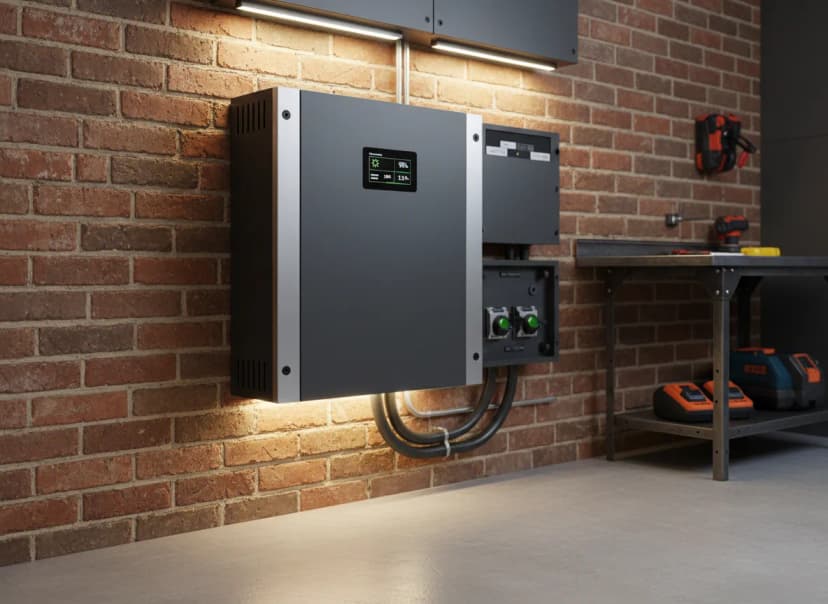
Residential battery systems
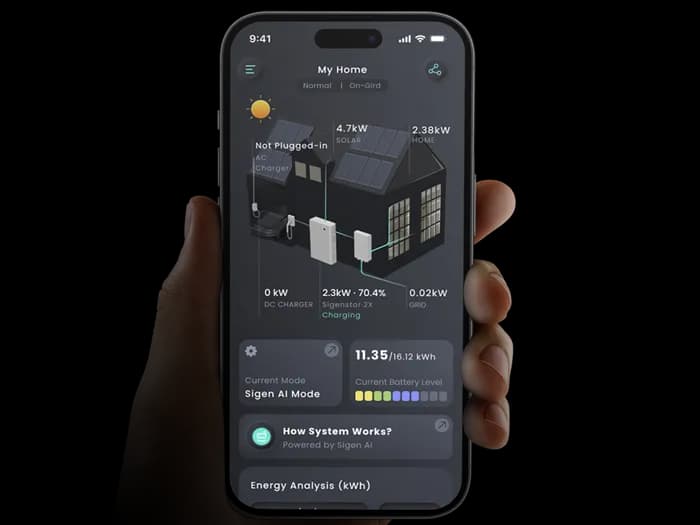
Smart energy management dashboard
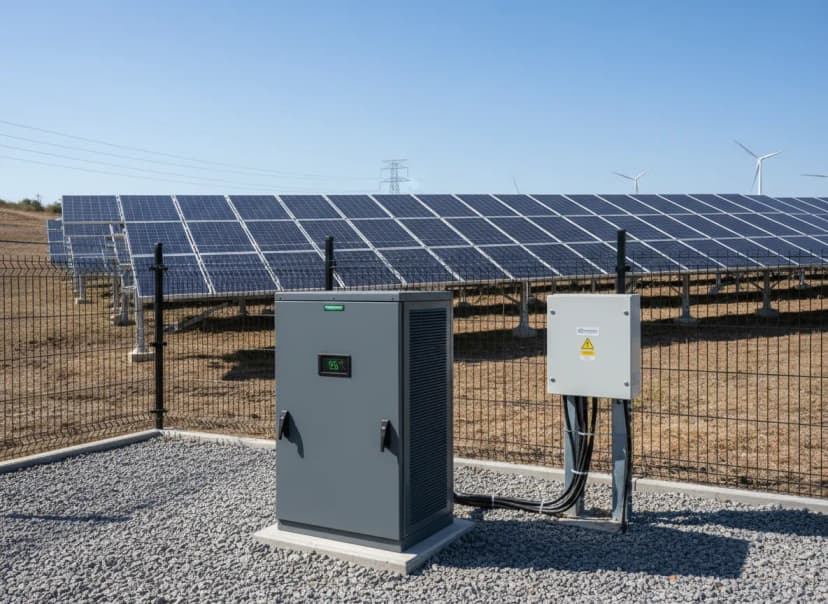
Integrated solar + storage system
Lithium-ion battery modules from 5kWh to 20kWh+, scalable and designed for thousands of charge cycles with minimal degradation.
Smart energy management systems that learn your usage patterns, respond to grid signals, and optimise charge/discharge cycles automatically.
Automatically charge from the grid during cheap off-peak periods and discharge during expensive peak times to cut electricity costs.
Reduce demand charges by supplementing grid power with battery discharge during high-demand periods, lowering your peak kW billing.
Store excess solar generation during the day for use in the evening, maximising self-consumption and reducing grid dependency.
Provide islanded backup during grid outages, keeping critical loads running and protecting against business interruption.
For homes on time-of-use tariffs, batteries charge during cheap off-peak periods and discharge during expensive peak times to cut electricity costs.
Capture surplus solar energy during the day and use it in the evening when your family needs it most, reducing reliance on expensive grid imports.
Keep essential appliances running during power cuts with automatic backup power from your battery reserves.
| Battery Capacity | 5kWh – 20kWh (modular, scalable) |
| Power Output | 3kW – 10kW continuous discharge |
| Round-Trip Efficiency | 90–95% (charge to discharge) |
| Cycle Life | 5,000–10,000 cycles (10–15 years typical) |
| Chemistry | Lithium Iron Phosphate (LFP) or NMC |
| Warranty | 10 years product, 70–80% capacity retention |
| Monitoring | Cloud platform with AI optimisation and alerts |
Contact us for a storage assessment. We'll analyse your tariff, energy usage and solar generation (if applicable) to model savings and recommend the optimal battery size for your home.
Get your storage assessment →